

The Evolution of Phone Dating
April 17, 2026
QS Match Redefining Online Dating for Serious Connections
April 17, 2026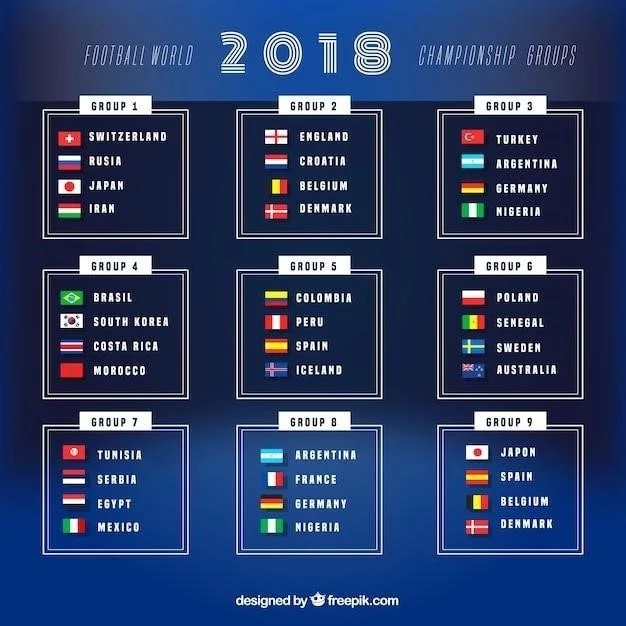
The FIFA World Cup‚ football’s most prestigious international tournament‚ captivates billions every four years. Beyond the spectacle‚ precise match timing – start‚ end‚ and internal schedule – poses a complex logistical puzzle with profound implications for players‚ clubs‚ hosts‚ and fans.
Traditional Summer Slot: A Historical Norm
Historically‚ the World Cup occurred during the Northern Hemisphere’s summer (June-July). This minimized disruption to major European club leagues (August-May). Players‚ post-club duties‚ rested briefly before national team camps‚ entering the month-long tournament.
- France 1998: June 10 – July 12
- Germany 2006: June 9 – July 9
- Brazil 2014: June 12 – July 13
- Russia 2018: June 14 – July 15
This summer slot became an entrenched tradition‚ synonymous with the World Cup experience for generations.
The Qatar 2022 Anomaly: A Winter Shift
Qatar 2022 introduced an unprecedented calendar shift. Extreme summer temperatures (over 40°C/104°F) made June-July play a health risk. FIFA thus moved the tournament to the Northern Hemisphere’s winter.
The Qatar 2022 World Cup ran from November 20 – December 18. This necessitated a major global domestic league re-alignment‚ especially in Europe‚ requiring seasons to pause. While disruptive‚ winter timing ensured moderate playing conditions (20-25°C/68-77°F)‚ enhancing comfort.
Tournament Structure and Duration
Regardless of the time of year‚ the World Cup maintains a consistent structure:
- Group Stage: ~12-15 days‚ multiple daily matches. Each team plays three group matches.
- Knockout Stage: After a short break: Round of 16‚ Quarter-finals‚ Semi-finals‚ Third-Place Play-off‚ Final. ~10-14 days.
The entire tournament‚ opening match to final‚ typically runs ~28-32 days‚ allowing rest.
The Future: FIFA World Cup 2026 and Beyond
FIFA World Cup 2026 (USA‚ Canada‚ Mexico) marks another evolution: the first with 48 teams (from 32). While aiming for June-July‚ the expanded 104-match format (from 64) will likely mean:
- Increased Matches: 64 to 104.
- Potential Longer Duration: To accommodate matches and rest‚ 2026 might extend beyond a month‚ possibly into August. Specific dates are pending.
Multi-host 2026 adds complexity for travel/logistics‚ not overall timing.
Implications of Match Dates
Chosen match dates carry significant implications:
- Player Welfare: Extreme heat/congested schedules cause fatigue‚ injury‚ suboptimal performance.
- Club Football: Pausing leagues (e.g.‚ winter WC) creates fixture congestion‚ impacting player availability/club revenues.
- Fan Experience: Climate affects stadium attendance‚ travel comfort‚ outdoor viewing.
- Broadcasting/Revenue: Global time zones dictate prime viewing‚ affecting advertising/viewership.
- Host Nation Logistics: Infrastructure‚ tourism‚ security planning are heavily influenced by dates‚ especially climate.
World Cup match dates reflect a dynamic interplay: tradition‚ climate‚ player welfare‚ and football’s expanding global footprint; From summer tradition to Qatar’s winter pivot‚ and into an expanded‚ multi-host future‚ scheduling remains critical for this unparalleled sporting event. Each decision balances tournament integrity with modern demands of the game.